Where to stay in the Douro Valley for a first trip
Choose between Porto, Peso da Régua, Pinhão, and a quinta stay by transport mode, wine plans, evening pace, and how deeply the trip enters the valley.
Choose Porto or the valley, Régua or Pinhão, train, boat, or car—and confirm the quinta—before a beautiful map becomes a brittle itinerary.
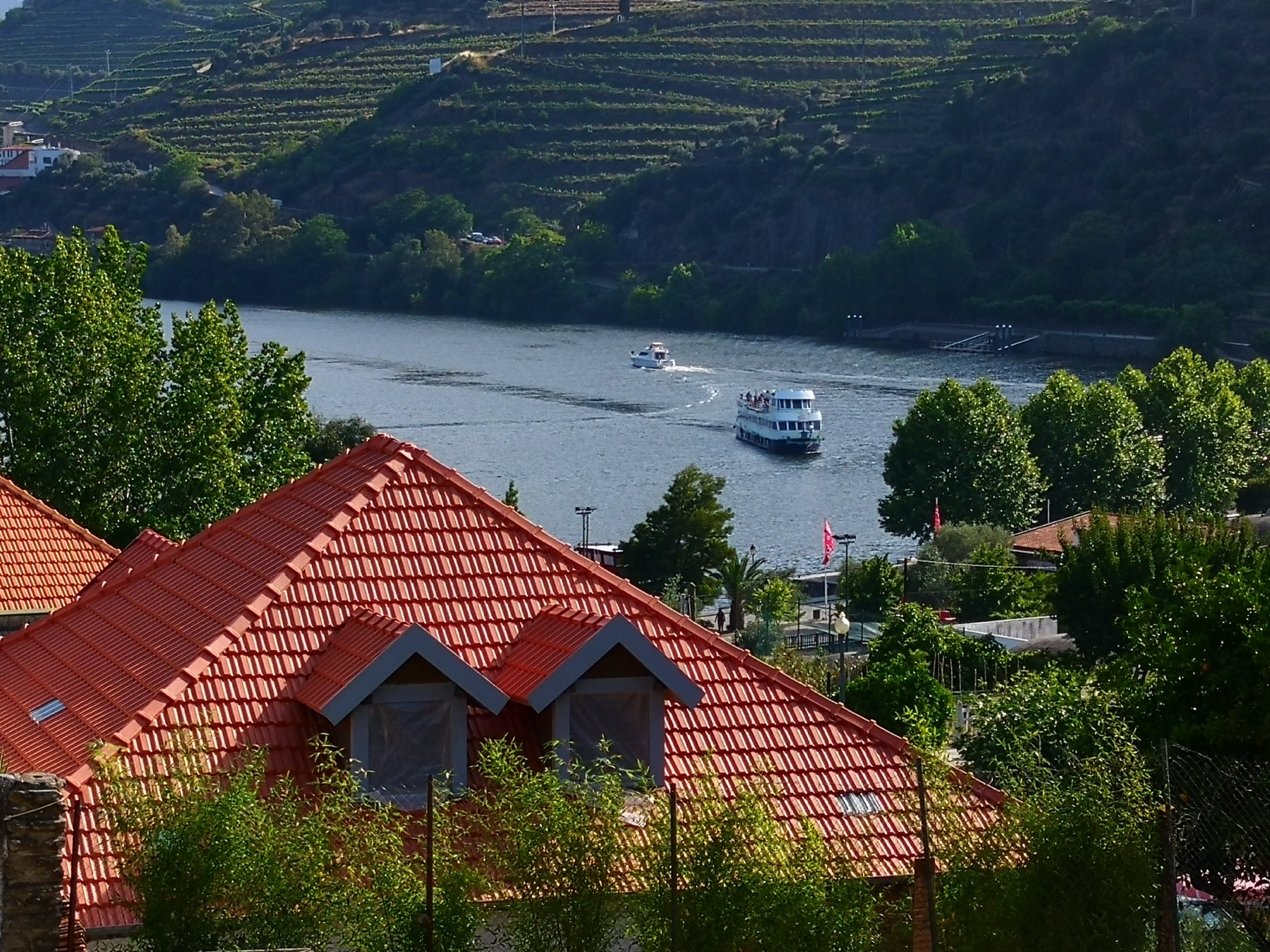
Pinhão in the Alto Douro Wine Region by Sanjorgepinho,CC BY-SA 4.0
Choose where to stay and how you want to travel first. Transport and a confirmed wine visit follow. Exact timetables, prices, and operating details stay with the official source.
Choose between Porto, Peso da Régua, Pinhão, and a quinta stay by transport mode, wine plans, evening pace, and how deeply the trip enters the valley.
Decide whether the Douro belongs in one disciplined day from Porto or deserves an overnight around Régua, Pinhão, or a wine estate.
Compare Régua and Pinhão by regional context, rail access, landscape focus, wine plans, and the amount of onward transport the trip can absorb.
Use the official Douro Line to plan Porto, Régua, Pinhão, Tua, or Pocinho without turning a scenic rail day into an unverified chain of connections.
Choose train, boat, car, or a carefully verified combination by landscape time, flexibility, winery access, road confidence, and return logistics.
Plan Douro quinta visits around advance confirmation, responsible transport, the difference between Port and Douro wines, and weather-led harvest timing.
Plan Christmas in the Douro Valley around a practical base, confirmed quinta meals and visits, the current Douro Line and weather-ready days.
Use the stay guide first to choose Porto, Régua or Pinhão. Stay22 then opens live accommodation results for the Douro Valley; providers set the order, price and availability.
Affiliate stay link: if you book through Stay22, EL Premier may earn a commission at no extra cost to you. Stay22 and its booking partners supply live prices and availability.
The cultural primer connects river, schist, villages, quintas, Régua, Pinhão, rail, and vindima to the working system recognized by UNESCO.
A sourced guide to the UNESCO Alto Douro Wine Region as a living cultural landscape shaped by viticulture, river transport, Régua, Pinhão, settlements, and seasonal work.